Color grading is one of the most powerful tools in visual storytelling. It shapes mood, enhances emotion, and gives a project its final polished look. Professional color grading goes far beyond adjusting brightness or contrast it requires technical skill, artistic vision, and a deep understanding of how color influences perception.
For anyone looking to enter the world of professional color grading, the journey begins with mastering both creativity and precision.
Understanding the Role of Color in Storytelling
Color plays a psychological role in how audiences experience a story. Warm tones can evoke comfort and nostalgia, while cooler palettes often suggest tension or isolation. A professional colorist uses color intentionally to support narrative and emotion.
Understanding color theory, contrast, and balance is essential. Every grading decision should serve the story rather than distract from it.
Learning the Fundamentals of Color Grading
Before becoming professional, it’s important to master the basics. This includes correcting exposure, balancing white levels, and ensuring consistency across shots. Color correction lays the foundation for creative grading.
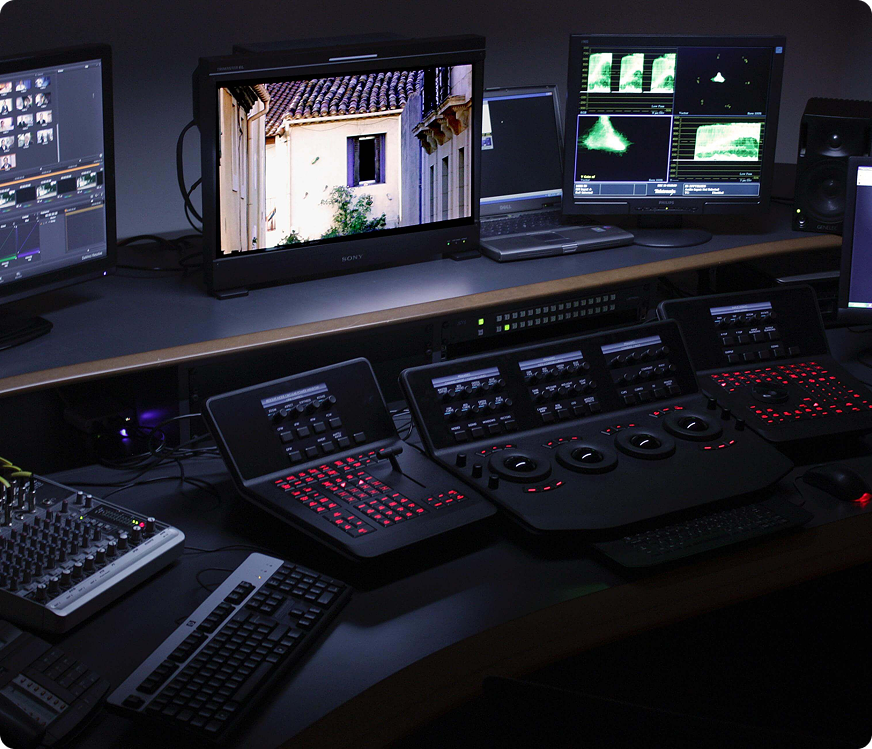
Knowing how to read scopes such as waveform, vectorscope, and histogram helps maintain technical accuracy. These tools ensure proper brightness, skin tone balance, and color distribution.
Choosing the Right Tools and Software
Professional color grading requires reliable software and hardware. Industry-standard tools offer advanced control over color, contrast, and tone. A calibrated monitor is critical, as accurate color representation ensures consistency across devices.
Powerful hardware supports smooth playback and efficient workflow, allowing colorists to focus on creative decisions without technical limitations.
Developing a Strong Visual Style
A unique grading style helps distinguish a colorist in a competitive industry. Experimenting with different looks, film emulations, and color palettes helps build creative confidence.
Studying films, commercials, and music videos can inspire new approaches. Over time, consistent creative choices contribute to a recognizable visual signature.
Practicing With Real Projects
Hands-on experience is essential. Working on short films, personal projects, and collaborative content helps refine technical skills and problem-solving abilities.
Real-world projects teach how to handle mixed lighting, challenging footage, and tight deadlines. Each project strengthens both confidence and expertise.
Building a Professional Portfolio
A strong color grading portfolio showcases before-and-after examples, highlights versatility, and demonstrates storytelling through color. Clear presentation helps potential clients understand your capabilities quickly.
Including brief project descriptions and creative intent adds context and professionalism to the work.
Final Thoughts
Starting a professional color grading career requires patience, practice, and passion. With a solid foundation, the right tools, and a commitment to continuous learning, it’s possible to turn color grading into a rewarding creative profession.
Every frame graded with intention brings stories closer to life.