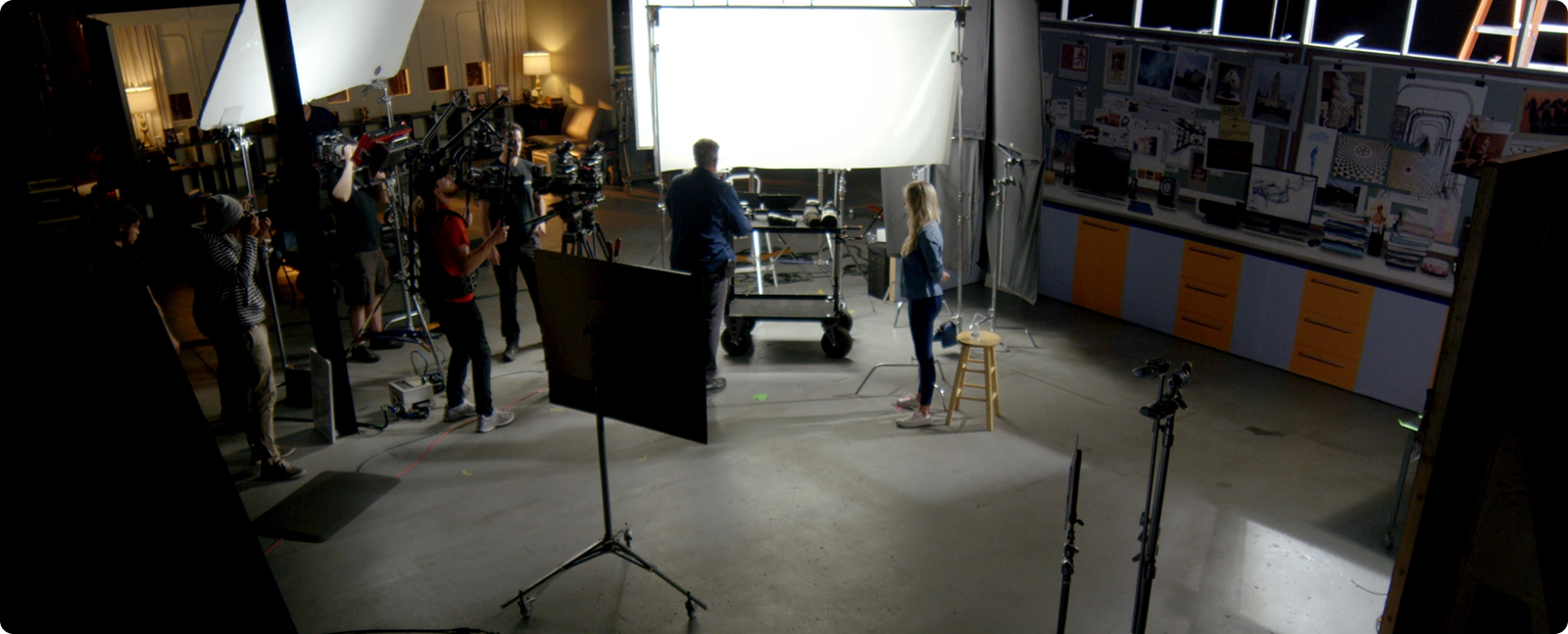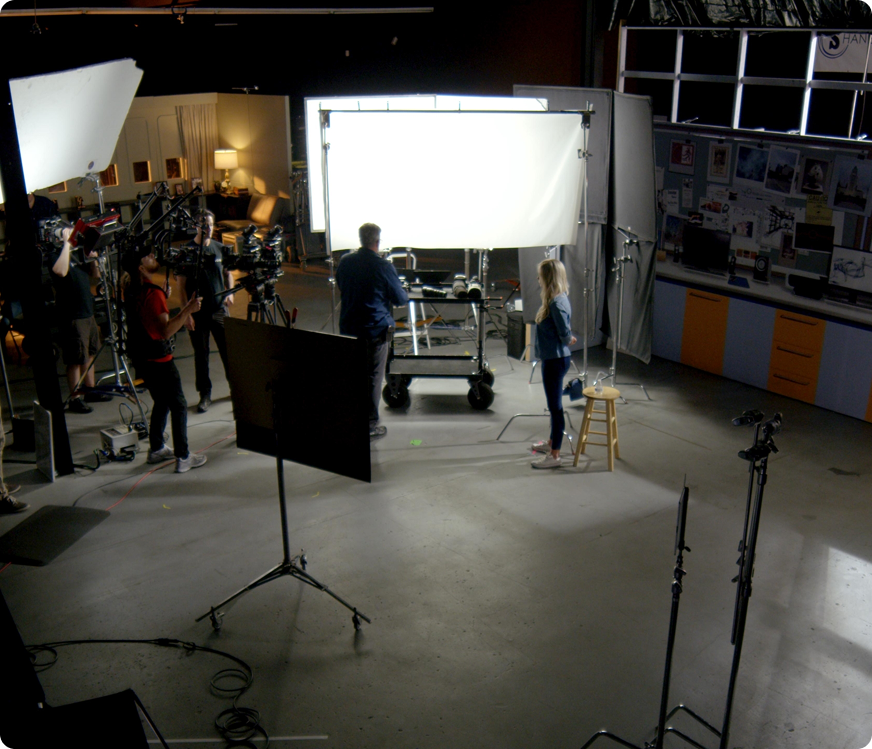
The film industry in 2025 is more accessible, fast-moving, and competitive than ever before. With digital platforms, affordable equipment, and global audiences, aspiring film directors now have more opportunities to tell their stories — but success requires clarity, strategy, and persistence.
Launching a career as a film director today is not just about passion; it’s about understanding the industry, mastering your craft, and building a strong creative identity.
Understanding the Role of a Modern Film Director
A film director in 2025 is more than a visual storyteller. Directors are creative leaders responsible for shaping the vision, tone, and emotional impact of a project. From working with actors to collaborating with cinematographers, editors, and producers, the director ensures that every element supports the story.
In today’s digital era, directors are also expected to understand branding, online presence, and audience engagement. Creativity must be balanced with adaptability and technical knowledge.
Developing Your Unique Directorial Style
Your style is what sets you apart in a crowded industry. Whether it’s visual composition, storytelling themes, or emotional pacing, developing a recognizable voice is essential.
Experiment with short films, music videos, and personal projects. These smaller works allow creative freedom and help define your artistic identity. Over time, consistency in tone and storytelling builds recognition and credibility.
A strong style doesn’t limit you it makes your work memorable.
Building Experience Through Short Films and Digital Content
Short films remain one of the most powerful ways to showcase directing skills. In 2025, platforms like YouTube, Vimeo, and film festival portals make it easier than ever to reach audiences.
Digital content such as branded videos, web series, and social media storytelling can also help build practical experience. These formats sharpen storytelling skills while expanding your professional portfolio.
Every project, regardless of scale, contributes to growth and confidence.
Creating a Strong Portfolio and Online Presence
A professional portfolio website is essential for aspiring film directors. It should highlight your best work, include a clear bio, and explain your creative approach.
Behind-the-scenes content, director statements, and case studies help audiences understand your process. Social media platforms can further amplify visibility and connect you with collaborators and producers.
Your online presence is often the first impression make it intentional and authentic.
Networking and Collaborating in the Film Industry
Connections matter in filmmaking. Collaborating with writers, cinematographers, actors, and editors opens doors to new opportunities and creative growth.
Film festivals, workshops, online communities, and industry events remain valuable spaces for networking. In 2025, virtual film festivals and online collaborations are just as important as in-person connections.
Strong relationships often lead to future projects and long-term career development.
Staying Adaptable in a Changing Industry
The film industry continues to evolve with new technologies such as virtual production, AI tools, and streaming platforms. Successful directors stay curious and adaptable.
Learning new tools, understanding emerging formats, and embracing innovation helps directors stay relevant. Flexibility allows creative vision to thrive in changing environments.
Growth comes from evolving with the industry rather than resisting change.
Final Thoughts
Launching your career as a film director in 2025 is both challenging and exciting. With dedication, creativity, and a strategic approach, it’s possible to carve a meaningful path in the industry.
Focus on storytelling, build your portfolio consistently, collaborate fearlessly, and remain open to learning. Every film you create brings you one step closer to your vision.